
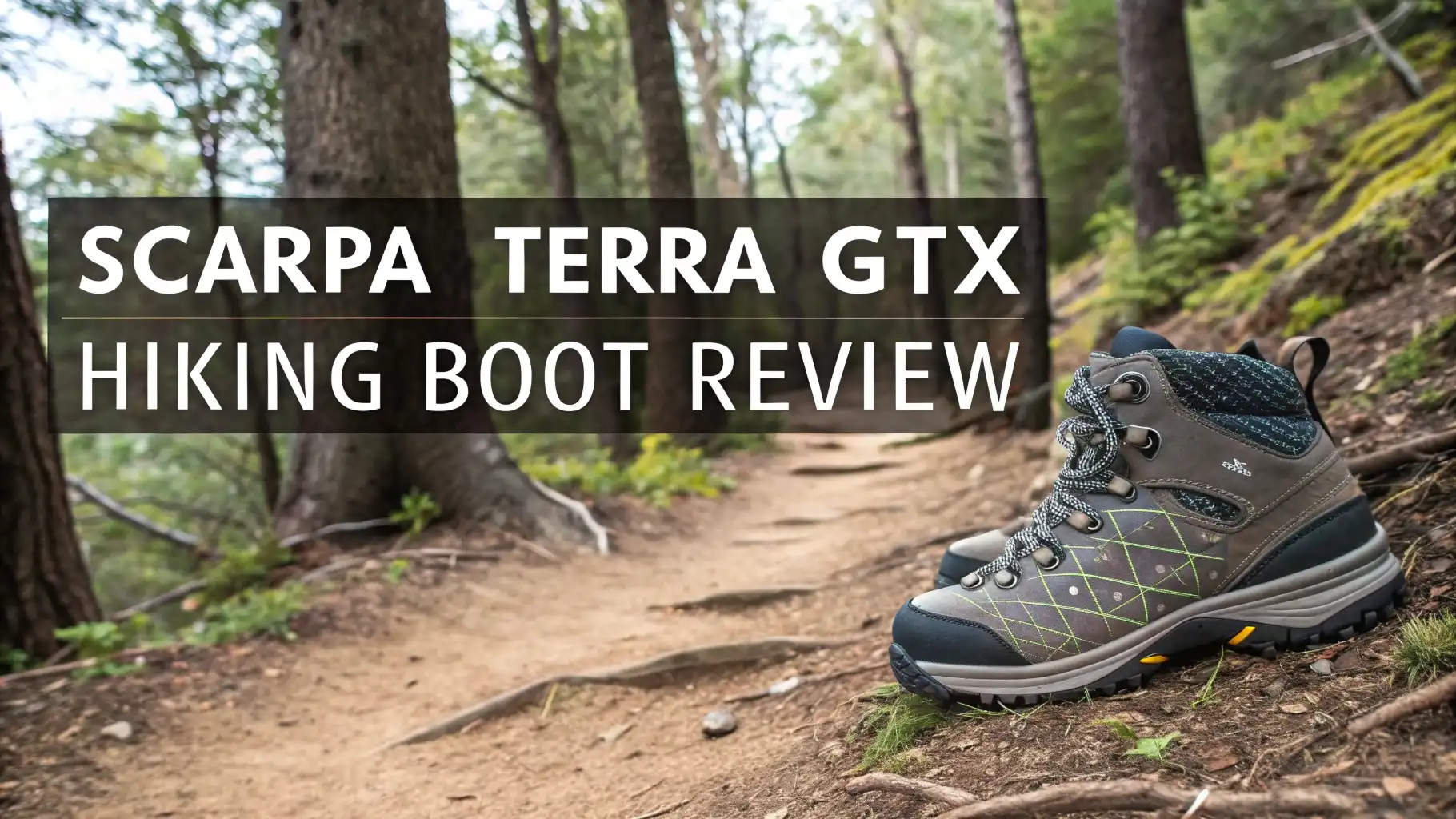
Are you searching for a reliable hiking boot that can handle challenging trails without breaking your bank account? The Scarpa Terra GTX stands out as a full leather classic that delivers waterproof protection and serious traction. This boot has earned attention from hikers who value traditional craftsmanship combined with modern technology. Many outdoor enthusiasts wonder if this boot can truly perform across different terrains and weather conditions.
In this comprehensive review, we dive deep into every aspect of the Scarpa Terra GTX to help you make an informed decision. You’ll discover the real strengths and weaknesses of this hiking boot based on detailed testing and user experiences. Whether you’re planning weekend trail walks or multi day backpacking trips, this review covers everything you need to know.
Key Takeaways
Before we explore the details, here are the essential points about the Scarpa Terra GTX:
Exceptional Waterproofing: The Gore-Tex Extended Comfort membrane keeps your feet completely dry in wet conditions while providing adequate breathability for moderate temperatures.
Superior Traction Performance: The Vibram Energy II outsole delivers impressive grip on wet rocks, muddy trails, and slippery surfaces, giving you confidence on challenging descents.
Immediate Comfort: Most users report that these boots feel comfortable right out of the box with minimal break in time required, thanks to the well padded interior and quality leather construction.
Heavy Build: At 20.3 oz per boot, the Terra GTX weighs more than average hiking boots, which may cause fatigue during longer hikes or when speed matters.
Excellent Durability: The 2mm full grain leather upper and robust Vibram outsole resist wear exceptionally well, making these boots a long term investment that can handle hundreds of miles.
Scarpa Terra GTX Hiking Boot Overview

- EU Size: 45 - US Size: 11-11.5 | Retro-Inspired With Modern Technology | A classic-looking leather hiking boot, the Terra GTX is stylish enough for travel and...
- GORE-TEX Lining | Enjoy waterproof protection in changing weather conditions without sacrificing breathability or durability.
- Vibram XS TREK Outsole | Adding to the Terra GTX’s versatility, the sticky Vibram XS TREK sole offers dependable grip in a wide range of terrain, from steep...

The Scarpa Terra GTX represents a redesigned version of a classic hiking boot model. Scarpa built this boot for hikers who want traditional leather construction with modern performance features. The boot uses a 2mm full grain leather upper that provides both durability and a timeless aesthetic. You’ll find the Gore-Tex Extended Comfort membrane integrated throughout the construction for waterproof protection. The Vibram Energy II sole handles various terrain types with confidence. Scarpa designed this boot specifically for trail walking, woodland hikes, and light backpacking trips. The construction includes a TPU shank for stability and an injected PU midsole for cushioning. This boot sits in the mid range price category for leather hiking boots. Scarpa targets hikers who prioritize comfort and durability over ultralight designs. The Terra GTX works well for three season hiking in moderate climates.
Construction and Materials Quality
The Scarpa Terra GTX showcases premium materials throughout its construction. The water repellent full grain leather forms the main upper material with nubuck leather accents on the collar and gusset. This leather combination provides durability while maintaining flexibility. The Gore-Tex Extended Comfort membrane sits between the leather upper and the interior lining. This membrane configuration delivers maximum waterproofing with enhanced breathability compared to standard Gore-Tex. The interior features generous padding that creates an immediately comfortable environment for your feet. Scarpa molded the PU midsole directly onto the upper for enhanced structural integrity. A TPU insert adds maximum stability to prevent unwanted foot motion. The Vibram Energy II outsole uses a sticky rubber compound known for grip and longevity. All stitching appears reinforced at stress points to prevent premature failure. The boot construction shows attention to detail with clean seams and quality finishing. You can tell these boots come from a company with decades of mountaineering experience.
Waterproof Performance and Breathability
The Gore-Tex Extended Comfort membrane in the Terra GTX provides complete waterproof protection in various wet conditions. Lab testing shows that no water penetrates through the upper material or seams. You can walk through shallow streams, wet grass, and muddy trails without moisture reaching your feet. The fully gusseted tongue prevents water from seeping in through the lacing area. Many hikers report keeping dry feet during multi hour hikes in steady rain. The membrane also prevents snow from melting through during winter trail walks. However, the waterproofing comes with trade offs in breathability. Testing reveals that air circulation through the boot remains minimal. Your feet will stay warmer than they would in non waterproof boots. This makes the Terra GTX better suited for cool to moderate temperatures rather than hot summer conditions. During intense uphill climbs, some moisture buildup occurs inside the boot. The leather upper also blocks significant airflow despite its natural properties. If you hike primarily in dry, hot climates, you might want a more breathable option. For wet weather hiking and three season use, the waterproofing works excellently.
Traction and Grip on Various Terrains
The Vibram Energy II outsole on the Terra GTX delivers impressive traction performance across different surfaces. The rubber compound measures 90.5 HC on the durometer scale, providing firm yet grippy characteristics. The 4mm deep lugs feature multi directional patterns that bite into soft terrain effectively. These lugs handle muddy trails with confidence, shedding mud reasonably well. On wet rocks and slippery roots, the outsole feels almost adhesive in its grip. Descending steep, wet hillsides proves surprisingly secure in these boots. The lug pattern provides excellent braking power during downhill sections. Dry rock scrambling also works well thanks to the sticky rubber compound. The outsole maintains solid grip on gravel paths and loose scree. Some users on Reddit reported slipping issues, but extensive testing shows strong overall performance. The firm rubber resists premature wear while maintaining grip characteristics. You can confidently tackle technical trail sections without worrying about your footing. The traction remains consistent across the entire outsole surface. For mixed terrain hiking where conditions change frequently, this outsole excels.
Top 3 Alternatives for Scarpa Terra GTX

- GOHUNT Flexibility Rating: 2.5
- Enhanced Control & Comfort with ADV-C 4D Chassis
- Versatile All-Terrain Traction with Contagrip Outsole

- GORE-TEX waterproof membrane, exceptional breathability and waterproof performance
- Nylon ripstop and TPU upper
- Lightweight FlexPlate technology provides torsional rigidity, lateral stability, and forefoot flexibility.

- ADVANCED TECHNOLOGY: This Columbia Men's Newton Ridge Plus II Suede Waterproof hiking boot features our signature lightweight midsole for long-lasting comfort,...
- QUALITY MATERIALS: Waterproof suede and leather make up the construction of this boot for a protective yet stylish silhouette and build.
- ADJUSTABLE FEATURES: A lace-up closure ensures an adjustable, secure fit.
Comfort and Fit Characteristics
The Scarpa Terra GTX offers immediate comfort right out of the box for most foot shapes. The interior padding feels generous around the heel collar and throughout the ankle area. This padding prevents hot spots during the initial wear period that many boots require. The boot fits true to size according to most user reports. The toebox measures 102.4 mm at its widest point, accommodating narrow to medium width feet comfortably. However, the toebox tapers to only 75.6 mm at the big toe area. Hikers with wide or broad feet may find insufficient room in the toe area. The last shape works well for average foot volumes without feeling sloppy or tight. The tongue padding at 8.8 mm thickness protects against lace bite effectively. The fully gusseted tongue design prevents debris from entering the boot. The firm midsole provides stability but lacks the plush cushioning some hikers prefer. Your feet rest on a stable platform rather than sinking into soft foam. The 15.1 mm heel drop feels natural for most hiking gaits. The removable insole allows customization with aftermarket options if desired. Break in requirements remain minimal compared to traditional leather boots. Most hikers report full comfort within the first few wears.
Weight and Its Impact on Performance
The Terra GTX tips the scale at 20.3 oz per boot, making it heavier than average for mid height hiking boots. This weight becomes noticeable during longer hikes, especially when covering significant mileage. The heft contributes to a tank like feeling that some hikers appreciate for stability. However, the extra weight can cause fatigue in your legs and joints during extended use. Faster paced hikers who like to cover ground quickly may find the weight restrictive. The substantial build includes thick leather, robust construction, and durable components throughout. This weight penalty buys you exceptional durability and protection. The boots feel planted and stable rather than nimble and quick. For day hikes under 10 miles, the weight remains manageable for most fitness levels. Multi day backpacking with added pack weight amplifies the burden of heavy boots. Ultralight enthusiasts will definitely want lighter alternatives. If you prioritize support and durability over speed, the weight becomes acceptable. The boots work best for steady paced hiking rather than fast and light approaches. Consider your typical hiking style when evaluating whether this weight suits your needs.
Cushioning and Midsole Firmness
The Terra GTX features a firm midsole that prioritizes stability over plush cushioning. The injected PU foam measures 29.5 HA on the durometer, indicating above average firmness. This firmness provides excellent support when carrying heavy packs or traversing uneven terrain. Your foot stays on a stable platform that doesn’t compress excessively under load. However, this firm character lacks the luxurious, cushioned feel some modern hiking boots offer. The heel stack height measures 32.1 mm, providing adequate impact protection during descents. The forefoot stack sits at only 17 mm, creating excellent ground feel and terrain awareness. This low profile forefoot helps you sense the surface beneath your feet. The combination prevents your foot from wrapping around obstacles like roots and rocks. Foot fatigue decreases because the boot does some of the work your foot muscles normally perform. The firmness maintains consistent performance in cold weather with minimal stiffening. Some hikers find the firm ride too harsh for all day comfort on maintained trails. Others appreciate the supportive, stable platform for technical terrain. If you prefer soft, cushioned boots, alternatives like the Hoka Kaha 2 GTX suit you better. For supportive stability during challenging hikes, this firmness level works excellently.
Ankle Support and Stability Features
The Terra GTX provides exceptional ankle support and stability through multiple design elements. The mid height cut extends high enough around the ankle to prevent rolling on uneven ground. The rigid external heel counter holds your heel firmly in place without excessive pressure. The TPU shank embedded in the midsole resists torsional twisting forces effectively. You can barely twist or bend the boot manually, indicating serious structural rigidity. This stiffness prevents your foot from contorting unnaturally on technical terrain. The midsole width at 110.5 mm in the forefoot creates a stable landing platform. The heel width measures 84.1 mm, providing adequate support without excessive bulk. The combination of features makes the boot feel planted and secure during side hill traverses. Rocky, uneven trails become less intimidating with this level of stability. The firm midsole works together with the rigid shank to prevent unwanted motion. Heavy packs feel more manageable because the boot doesn’t compress or wobble. However, this stability comes with reduced flexibility that some hikers find restrictive. The boot resists natural foot flexion, which can feel strange initially. For technical terrain and heavy loads, this stability proves invaluable. Casual trail walkers might find the support excessive for their needs.
Durability and Long Term Performance
The Scarpa Terra GTX demonstrates outstanding durability in rigorous testing conditions. The 2mm full grain leather upper resists abrasion exceptionally well. Dremel testing at 5000 RPM for 12 seconds left only minor scuffing on the toebox. This earns a perfect durability score for protection against rocks and trail obstacles. The leather will show cosmetic wear and scuffing but maintains structural integrity. The heel padding withstood similar abrasion testing with minimal fraying, scoring 4 out of 5 for durability. The Vibram outsole proved nearly indestructible in accelerated wear testing. After 22 seconds at 10,000 RPM, the Dremel created only a 0.5 mm indent in the lugs. With 4 mm of lug depth, you can expect hundreds of miles before significant wear. The outsole thickness measures 2.7 mm, providing adequate rubber for long term use. All stitching points show reinforcement that should resist thread failure. The Gore-Tex membrane carries a reputation for maintaining waterproofing over extended periods. Users report these boots lasting multiple seasons with regular maintenance. The leather benefits from periodic conditioning to maintain suppleness. Proper care extends the lifespan significantly beyond cheaper synthetic alternatives. For hikers seeking a long term investment, the Terra GTX delivers excellent value. The initial cost spreads across many years of reliable service.
Break In Period and Initial Wear
The Scarpa Terra GTX requires minimal break in time compared to traditional full leather boots. Many users report comfortable first wears right out of the box. The generous interior padding prevents hot spots during initial use. The leather upper starts relatively supple rather than board stiff like some boots. Most hikers find the boots ready for moderate distance hikes within 2 to 3 wears. You can wear them around town or on short walks to accelerate the process. The firm midsole doesn’t soften significantly but becomes more familiar feeling. Some pressure points may appear initially around the toebox taper for wider feet. The heel counter remains rigid but the padding prevents blisters during break in. The tongue stays in position well without sliding sideways during initial wears. You should still start with shorter hikes before committing to full day adventures. This allows your feet to adapt to the boot’s particular fit and feel. The leather will mold slightly to your foot shape over time. Avoid wearing the boots on very long hikes during the first few outings. Most users complete break in within 20 to 30 miles of hiking. This compares favorably to 50 plus miles required for some leather boots. The comfortable break in experience encourages regular use from the start.
Performance in Different Weather Conditions
The Terra GTX performs best in cool to moderate temperatures with wet or variable conditions. The waterproof Gore-Tex membrane excels during rain, snow, and stream crossings. Your feet stay dry even during multi hour exposure to wet conditions. The minimal breathability keeps feet warm during cold weather hiking. Lab testing shows the midsole stiffens only 15.7 percent in freezing temperatures. This cold weather consistency makes the boot reliable year round in many climates. Winter trail walking and light snow hiking work well with appropriate socks. However, hot summer hiking presents challenges due to limited ventilation. Your feet will sweat more than they would in breathable non waterproof boots. The full leather upper traps heat even though leather breathes somewhat naturally. Spring and fall conditions prove ideal for this boot’s characteristics. Cool mornings and damp trails align perfectly with its design strengths. Muddy shoulder season hiking becomes more enjoyable with waterproof protection. The grip remains reliable on wet surfaces throughout temperature ranges. Desert hiking in hot, dry climates doesn’t suit this boot well. Alpine environments with mixed conditions showcase the boot’s versatility. Consider your typical hiking climate when evaluating suitability. The boot handles three season use excellently in temperate regions.
Sizing Recommendations and Fit Tips
The Scarpa Terra GTX fits true to size according to 68 percent of user votes. You can confidently order your normal hiking boot size for most foot shapes. The length runs accurate without excess toe room or cramped conditions. Width wise, the boot suits narrow to medium volume feet best. Hikers with wide or broad feet should try before buying if possible. The toebox taper toward the big toe creates the tightest fit zone. Some users size up half a size to accommodate thicker socks or wider forefeet. This can introduce heel slippage for normal width feet, so test carefully. The heel cup holds securely without needing smaller sizes for lockdown. Consider your typical sock thickness when determining size needs. Thicker mountaineering socks may require half size up for comfort. Medium weight hiking socks work well with true to size selections. The removable insole allows minor volume adjustments if needed. Women should order the women’s specific model for better fit proportions. The men’s and women’s versions use different lasts suited to typical gender foot shapes. Try walking uphill and downhill in store to check for heel slip. Your toes should not touch the front on descents. Allow thumb width space at the toe when standing. The lacing system provides good adjustment range for instep heights.
Value for Money Analysis
The Scarpa Terra GTX retails around 259 dollars, positioning it in the mid to upper price range. This cost reflects the quality materials and Italian construction standards. The full grain leather upper costs more than synthetic alternatives but lasts longer. The Vibram outsole adds expense but delivers superior grip and durability. The Gore-Tex membrane increases price compared to non waterproof boots significantly. When you calculate cost per mile over the boot’s lifespan, value improves considerably. Users report getting 500 plus miles from these boots with proper care. Some hikers exceed 1000 miles before replacement becomes necessary. The leather construction allows for potential resoling by skilled cobblers. This extends lifespan beyond what synthetic boots can achieve. Compared to budget boots under 150 dollars, the Terra GTX offers measurably better performance. The improved grip, comfort, and durability justify the price difference for serious hikers. However, competitors like Merrell and Columbia offer similar features at lower prices. The Scarpa brand carries premium positioning based on mountaineering heritage. If you hike regularly throughout the year, the investment makes financial sense. Casual hikers with 20 miles per year might find cheaper options adequate. The resale value remains decent for used Scarpa boots in good condition. Overall, you pay for quality that delivers long term reliability and performance.
Best Uses and Ideal Hiking Scenarios
The Scarpa Terra GTX excels in specific hiking scenarios where its strengths shine brightest. Day hiking on maintained trails in variable weather represents perfect use cases. The waterproofing protects during unexpected rain while the grip handles wet sections. Woodland walks through muddy or damp environments suit this boot ideally. Light backpacking trips with pack weights under 30 pounds work well with the support provided. The stability handles moderate technical terrain like rocky trails and root filled paths. Three season hiking in temperate climates aligns with the boot’s characteristics. Stream crossings and wet meadow traverses become simple with waterproof protection. Winter trail walking and light snow hiking work excellently with appropriate socks. The boot handles gravel paths, forest trails, and moderate elevation changes comfortably. Alpine day hikes below treeline showcase the grip and stability features. The boot performs less ideally in certain conditions worth noting. Hot weather desert hiking causes overheating due to limited breathability. Ultralight fast packing suffers from the boot’s heavier weight. Casual neighborhood walks don’t require this level of protection and support. Technical mountaineering exceeds the boot’s intended capability level. Flat, maintained paths don’t benefit from the stability features fully. Match your typical hiking style to these use cases for best results.
Maintenance and Care Requirements
Proper maintenance extends the lifespan of your Terra GTX boots significantly. The full grain leather requires periodic conditioning to maintain suppleness and water repellency. Clean off dirt and mud after each hike using a soft brush and lukewarm water. Allow boots to dry naturally at room temperature, never near direct heat sources. Stuffing with newspaper helps absorb moisture and maintain shape during drying. Apply leather conditioner every 20 to 30 hours of use depending on conditions. This prevents the leather from drying out and cracking over time. Use products specifically designed for outdoor leather rather than shoe polish. The Gore-Tex membrane needs occasional reactivation of its DWR coating. Spray on treatments restore water beading on the exterior when performance decreases. Check the outsole regularly for embedded rocks or debris between lugs. Remove stuck material to maintain optimal traction characteristics. Inspect stitching at stress points for any signs of thread failure. Address minor issues promptly before they become major problems. The removable insole benefits from occasional washing to control odor. Replace insoles when they compress significantly or develop wear patterns. Store boots in a cool, dry place away from direct sunlight. Proper storage prevents material degradation during off season periods. Consider professional resoling when the Vibram outsole wears down significantly. With diligent care, these boots serve reliably for many years.
Common Issues and Potential Drawbacks
Despite many strengths, the Terra GTX has several limitations worth understanding. The weight at 20.3 oz per boot causes fatigue during longer hikes for some users. This heaviness particularly affects faster paced hikers and those covering big miles. The narrow toebox creates discomfort for hikers with wide or broad feet. Some users experience toe cramping during long descents in the tapered toe area. The firm midsole lacks cushioning that hikers accustomed to plush boots expect. All day comfort on smooth trails suffers compared to softer alternatives. Limited breathability causes overheating during warm weather or intense exertion. Your feet stay warmer than desired in temperatures above 70 degrees Fahrenheit. Some Reddit users reported slipping issues, though testing shows generally good traction. Individual gait patterns or specific wet rock types may affect grip differently. The boots show cosmetic scuffing and wear on the leather relatively easily. This doesn’t affect performance but bothers appearance conscious users. The price point at 259 dollars stretches budgets for casual hikers. Better value exists for those hiking infrequently or in limited conditions. The break in period, while short, still requires some adaptation time. Immediate perfect comfort remains elusive for some foot shapes initially. No reflective elements exist for hiking near roads in low light. These limitations don’t disqualify the boot but require consideration for your needs.
Comparison with Similar Hiking Boots
The Terra GTX competes with several comparable options in the leather hiking boot category. The Salomon Quest 4 GTX offers similar waterproofing with a roomier toebox for wide feet. It weighs slightly less but costs similarly and has comparable durability. The Merrell Moab Speed Mid GTX provides lighter weight and faster feel at lower cost. However, it lacks the leather durability and traditional construction the Scarpa offers. The Hoka Kaha 2 GTX delivers superior cushioning with softer midsole foam. This trades some stability for comfort on maintained trails. The KEEN Pyrenees features nubuck leather construction with softer cushioning throughout. It suits hikers wanting plush comfort over maximum stability. The Danner Mountain 600 offers American made construction with similar leather quality. It provides moderate toebox width between narrow and wide fitting boots. Price wise, the Terra GTX sits middle of the pack among premium leather options. The Vibram outsole matches or exceeds grip characteristics of most competitors. Durability stands out as a particular strength relative to synthetic alternatives. The immediate comfort and minimal break in time compare favorably across categories. Weight remains a weakness versus lighter modern designs. If leather construction and traditional values matter, the Terra GTX competes strongly. Those prioritizing modern lightweight approaches find better options elsewhere.
User Reviews and Real World Experiences
Real world users report mostly positive experiences with the Terra GTX over time. Many reviewers praise the immediate comfort and lack of significant break in pain. The waterproofing receives consistent praise for keeping feet dry in heavy rain. Users appreciate the secure feeling and stability on technical terrain. Several reviews mention exceptional durability with boots lasting multiple seasons. The grip gets positive comments for performance on wet rocks and muddy trails. Some negative feedback centers on the weight causing fatigue on longer hikes. The narrow toebox generates complaints from wide footed hikers experiencing discomfort. A few users mention overheating during warm weather hiking. The firm midsole receives mixed reactions with some loving it and others wanting more cushion. Reddit discussions show divided opinions, with some reporting slipping issues. These reports appear less common than positive traction experiences. Price complaints surface from budget conscious hikers seeking similar features cheaper. Overall satisfaction remains high among users whose needs match the boot’s design. Hikers prioritizing durability and stability give higher ratings consistently. Those wanting lightweight, cushioned boots express more disappointment. Multi year owners report continued reliable performance with proper maintenance. The general consensus supports the boot as a solid choice for traditional hiking needs.
Final Verdict and Recommendations
The Scarpa Terra GTX represents a high quality traditional hiking boot with clear strengths and limitations. This boot excels for hikers who value waterproof protection, excellent traction, and long term durability. The full grain leather construction delivers reliability that synthetic boots struggle to match. Immediate comfort and minimal break in time remove common barriers to enjoying new boots. The stability features work brilliantly for technical terrain and heavy pack carrying. However, the weight penalty and firm ride won’t suit every hiking style. The boot performs best in cool to moderate climates with wet or variable conditions. Three season hikers in temperate regions find this boot particularly well matched to their needs. You should buy the Terra GTX if you want traditional leather quality with modern waterproof technology. This boot suits day hikers and light backpackers covering moderate distances on mixed terrain. Hikers with narrow to medium width feet find the best fit. Look elsewhere if you prioritize ultralight weight or plush cushioning. Wide footed individuals need alternatives with roomier toe boxes. Hot climate hikers require more breathable options for comfort. For the right user, the Terra GTX provides years of reliable service and confident footing. The investment pays dividends through longevity and consistent performance across conditions. Consider your specific needs carefully against this boot’s characteristics to determine fit.
Frequently Asked Questions
Are Scarpa Terra GTX boots true to size?
Yes, the Scarpa Terra GTX fits true to size for most hikers. About 68 percent of users confirm accurate sizing when ordering their normal boot size. The length runs accurately without being too short or too long. However, the toebox tapers toward the big toe, creating a narrower fit in that area. Hikers with wide feet may want to try half a size up, though this can cause heel slippage. The boot accommodates narrow to medium width feet best in true to size selections.
How long does the break in period take for Scarpa Terra GTX?
The break in period for Scarpa Terra GTX boots remains surprisingly short for full leather construction. Most users report comfortable wear within 2 to 3 outings or about 20 to 30 miles of hiking. The generous interior padding prevents most hot spots during initial use. You can start with moderate distance hikes relatively quickly. This compares very favorably to traditional leather boots requiring 50 plus miles of break in time.
Can I use Scarpa Terra GTX for winter hiking?
Yes, the Scarpa Terra GTX works well for winter trail hiking and light snow conditions. The Gore-Tex membrane keeps feet dry when snow melts against the boot. The midsole stiffens only 15.7 percent in freezing temperatures, maintaining consistent performance. The grip remains reliable on icy patches and snowy trails. However, these boots lack insulation for extreme cold or extended winter camping. Pair them with warm wool socks for temperatures above 20 degrees Fahrenheit.
How do I clean and maintain Scarpa Terra GTX boots?
Clean your Scarpa Terra GTX boots after each hike using a soft brush and lukewarm water to remove dirt and mud. Allow them to dry naturally at room temperature, never near heaters or direct heat. Apply leather conditioner every 20 to 30 hours of use to maintain suppleness. Use Gore-Tex specific spray treatments to restore water repellency when needed. Remove embedded debris from the outsole lugs regularly. Store in a cool, dry place away from direct sunlight between uses.
Are Scarpa Terra GTX boots good for wide feet?
The Scarpa Terra GTX boots work less well for wide feet compared to narrow or medium widths. The toebox measures 102.4 mm at the widest point but tapers significantly to 75.6 mm at the big toe. Broad footed hikers often find insufficient room in the toe area. The Salomon Quest 4 GTX or Danner Mountain 600 provide better alternatives for wide feet. If you have wide feet, try these boots in person before purchasing to check fit comfort.
How long do Scarpa Terra GTX boots typically last?
With proper care and maintenance, Scarpa Terra GTX boots typically last 500 to 1000 miles or more. The full grain leather upper and Vibram outsole resist wear exceptionally well. Many users report multiple seasons of reliable service before replacement becomes necessary. Regular leather conditioning and proper storage extend lifespan significantly. The durable construction allows for potential resoling by skilled cobblers, further extending useful life beyond synthetic alternatives.
Last update on 2026-01-16 / Affiliate links / Images from Amazon Product Advertising API