
Choosing the right sunscreen for daily use involves evaluating factors like broad-spectrum protection, ingredient safety, texture, and environmental impact. The ideal product should shield against UVA and UVB rays while nourishing your skin without feeling heavy or greasy. It’s important to understand how each formulation suits your skin type and lifestyle, ensuring you maintain skin health and radiance despite daily sun exposure. Exploring top options can help you identify a balance of effectiveness and comfort.
COOLA Organic SPF 50 Face Sunscreen, Fragrance-Free, Vegan, 1.7 Fl Oz
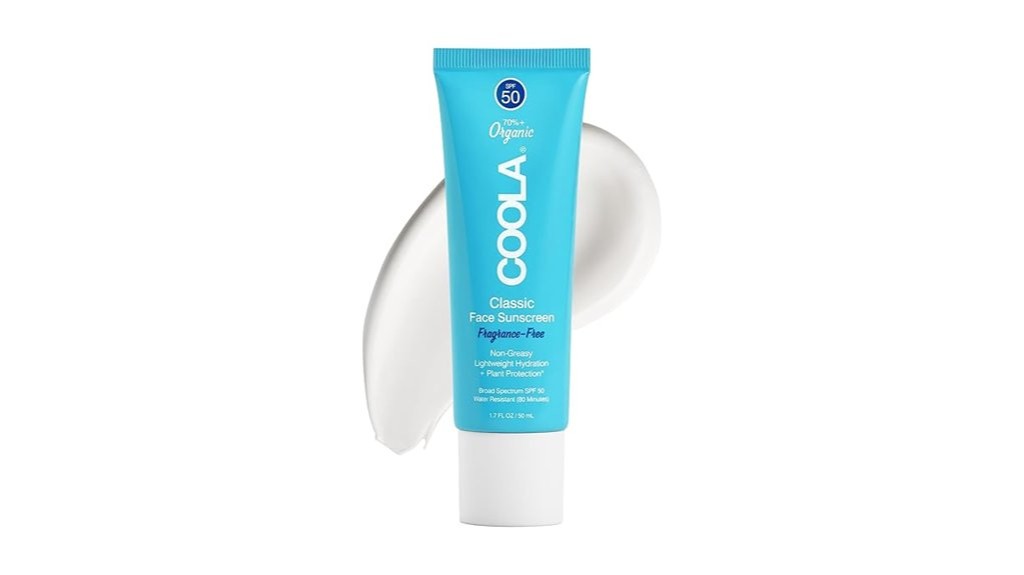
The COOLA Organic SPF 50 Face Sunscreen is an excellent choice for individuals seeking effective daily sun protection that is gentle on sensitive skin. It offers broad-spectrum SPF 50, which shields your skin from harmful UVA and UVB rays, making it suitable for everyday use. The spray is water-resistant for up to 80 minutes, ensuring reliable protection during outdoor activities. It absorbs quickly without leaving a greasy residue, so your skin feels light and comfortable. Enriched with antioxidants, it helps combat free radicals and strengthen your skin barrier. Being fragrance-free, vegan, and free from gluten and parabens, it is designed to be safe for sensitive skin and environmentally friendly.
Best For: those with sensitive skin seeking a lightweight, environmentally friendly sunscreen that provides high SPF protection for daily outdoor activities.
Pros:
- Broad-spectrum SPF 50 for comprehensive UVA and UVB protection
- Fast-absorbing, non-greasy formula suitable for daily use
- Contains antioxidants to hydrate and strengthen the skin barrier
Cons:
- May require reapplication for prolonged sun exposure
- Spray format might be less precise for targeted application
- Contains no added fragrances, which may not appeal to those who prefer scented products
Haruharu Wonder Black Rice Moisture Sunscreen (1.69 fl. oz.)
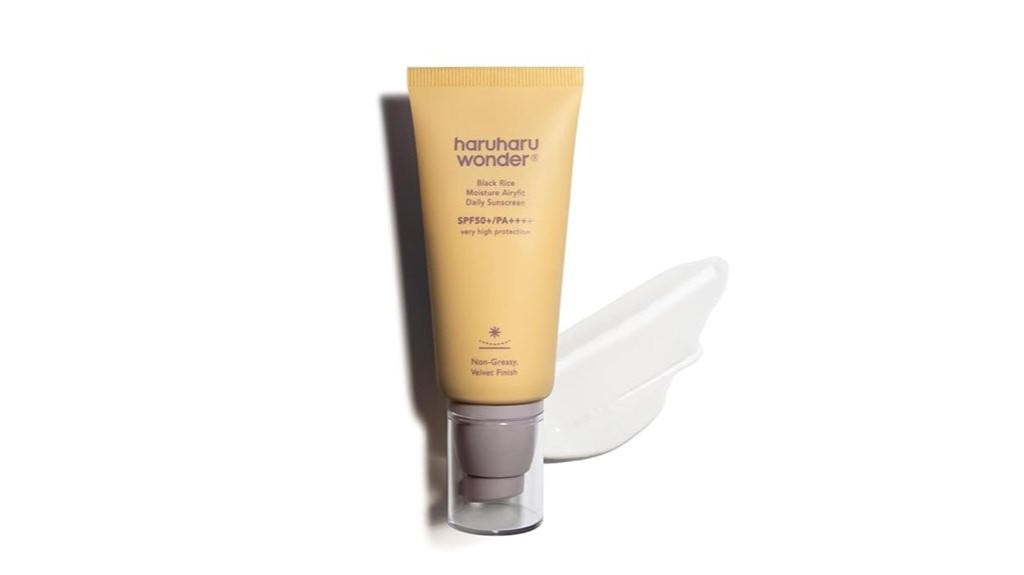
If you’re searching for a daily sunscreen that combines effective sun protection with a comfortable, non-greasy finish, the Haruharu Wonder Black Rice Moisture Sunscreen is an excellent choice. Its airless packaging preserves product freshness, while the pump allows for controlled, efficient application. Designed for full coverage, it prevents missed spots using the two-finger rule. The formula is thick but easily rub-in, dries to a velvet touch, and doesn’t leave a white cast or shine. Enriched with rice bran oil and black rice, it offers antioxidant benefits, hydrates skin, and acts as a good makeup primer. It’s suitable for sensitive, dry, oily, and combination skin types, providing reliable, all-day protection.
Best For: individuals seeking a lightweight, non-greasy, and eco-friendly sunscreen that provides reliable sun protection while enhancing their makeup base, suitable for all skin types including sensitive skin.
Pros:
- Vegan, cruelty-free, and free from scents and irritation, making it ideal for sensitive and acne-prone skin.
- Fast-absorbing, matte finish that prevents white cast, streaking, or shine, perfect for layering under makeup.
- Airless pump packaging maintains product freshness and allows for efficient, controlled application, reducing waste.
Cons:
- Reapplication may require multiple pumps (6–12) throughout the day, which could be less convenient for quick routines.
- Thick texture might take a bit longer to rub in compared to lighter sunscreens for some users.
- Slightly higher cost relative to some mainstream options, though considered cost-effective due to product longevity.
Neutrogena Ultra Sheer Sunscreen Lotion SPF 70, Travel Size 3 Fl Oz

Designed for individuals who need reliable, daily sun protection, Neutrogena Ultra Sheer Sunscreen Lotion SPF 70 offers high broad-spectrum defense suited for everyday outdoor activities. Its formula, powered by Helioplex technology, protects against UVA and UVB rays, helping prevent skin aging and burns. It’s water-resistant for up to 80 minutes, making it suitable for outdoor or active pursuits. The lightweight, oil-free, and non-comedogenic consistency absorbs quickly, leaving a nearly invisible finish, although some may notice a slight sheen or white cast, especially on darker skin tones. Packaged in a compact 3 fl oz size, it’s TSA-compliant and perfect for on-the-go protection.
Best For: individuals seeking reliable, everyday sun protection in a lightweight, travel-friendly format suitable for outdoor activities and active lifestyles.
Pros:
- Provides high UVA/UVB broad-spectrum protection with Helioplex technology
- Water-resistant for up to 80 minutes, ideal for outdoor or active use
- Lightweight, oil-free, and non-comedogenic, absorbs quickly with a nearly invisible finish
Cons:
- May leave a slight sheen or white cast on medium to dark skin tones
- Reapplication is necessary every 2 hours or after swimming/sweating
- Some users might experience minor irritation or sensitivity; patch testing recommended
Factors to Consider When Choosing Sunscreens for Daily Wear
When choosing a sunscreen for daily use, you’ll want to take into account the level of sun protection it offers, ensuring it matches your specific exposure and skin type. It’s also important to examine the ingredients for skin compatibility and environmental impact, as well as how easy the product is to apply and reapply throughout the day. Balancing these factors can help you select a sunscreen that is effective, safe, and suitable for everyday wear.
Sun Protection Level
Choosing the right sun protection level is essential for effective daily skincare, as it determines how well a sunscreen shields you from harmful UV rays. Sunscreens with SPF 30 to 50 are generally sufficient for everyday activities and offer good protection. Higher SPF options, such as SPF 70, provide extra safety for prolonged sun exposure or sensitive skin. The SPF indicates how much longer you can stay in the sun without burning compared to unprotected skin. For minimal daily exposure, SPF 15 to 30 may be enough; however, for extended outdoor time or sensitive skin, a higher SPF is advisable. Regardless of SPF, broad-spectrum formulas are recommended because they protect against both UVA and UVB rays, which contribute to skin aging, sunburn, and skin cancer. It’s also important to reapply every two hours or after sweating or swimming.
Skin Compatibility
Your skin’s unique characteristics play a crucial role in choosing the right sunscreen, as different skin types have varying sensitivities and needs. For oily or acne-prone skin, opt for non-comedogenic formulas to avoid clogging pores and causing breakouts. If your skin is sensitive or prone to irritation, fragrance-free options are generally better, reducing the risk of allergic reactions. Mineral-based sunscreens containing zinc oxide or titanium dioxide tend to cause less irritation and are well tolerated by sensitive skin. Always check the label for dermatological testing or hypoallergenic claims to confirm compatibility with your skin. If you have conditions like eczema or rosacea, select sunscreens free from alcohol, fragrances, and common irritants, as these can trigger flare-ups or discomfort.
Formulation Ingredients
The ingredients in sunscreens play a significant role in their effectiveness and how well they suit your skin. Broad-spectrum formulas with ingredients like avobenzone, zinc oxide, or titanium dioxide protect against both UVA and UVB rays, which is essential for all-encompassing daily protection. Mineral sunscreens, containing physical blockers such as zinc oxide or titanium dioxide, create a physical barrier on your skin, making them suitable for sensitive skin types. Chemical suns including oxybenzone, avobenzone, or homosalate absorb UV radiation and convert it to heat; however, their stability varies, with some like avobenzone degrading unless stabilized. Adding antioxidants such as vitamins C or E can neutralize free radicals generated by UV exposure, enhancing protection and supporting skin health.
Application Ease
Ease of application is a key factor to contemplate when selecting a sunscreen for daily use, as it influences how consistently you will apply the product. A sunscreen with a smooth, non-greasy texture that easily blends into the skin facilitates quick, effortless application, encouraging regular use. Formulations with pump dispensers or spray options provide even coverage and reduce the time needed for application, making them suitable for busy schedules. Thick creams or pastes may require extra effort to spread evenly, which can lead to uneven protection if not applied properly. Lightweight, fast-absorbing formulas help avoid residual stickiness or oily feelings, contributing to comfort throughout the day. For convenience, sunscreens with minimal layering or rubbing are preferred, especially when you need rapid, straightforward coverage.
Environmental Impact
Choosing a sunscreen that aligns with environmental considerations can considerably reduce your ecological footprint. Opt for reef-safe formulas that avoid oxybenzone and octinoxate, as these chemicals harm coral reefs and marine life. Mineral-based sunscreens with zinc oxide or titanium dioxide are generally less damaging to aquatic ecosystems compared to chemical filters. Additionally, consider packaging—biodegradable or recyclable containers help reduce plastic waste and lessen landfill burden. Formulations free from microplastics prevent pollution in water systems and aquatic habitats. Supporting brands committed to sustainable sourcing and eco-friendly manufacturing practices further minimizes your environmental impact. When selecting daily sunscreens, prioritizing eco-conscious options ensures protection for your skin without compromising the health of the planet. This approach fosters a more sustainable skincare routine aligned with environmental preservation.
Price and Value
Prices for daily sunscreens can vary considerably, with options ranging from budget-friendly products under $10 to premium formulations exceeding $30. While higher-priced sunscreens often include additional skincare benefits like antioxidants, moisturizing agents, or specialized ingredients, cost doesn’t always equate to better protection. A good value sunscreen provides broad-spectrum protection, a high SPF, and a formulation that lasts throughout the day without frequent reapplication. Buying in larger sizes or multi-packs can lower the cost per ounce, making daily use more affordable over time. However, price alone isn’t a reliable indicator of quality. It’s essential to assess how the product performs, whether it’s suitable for your skin type, and if it offers safety features important to you—ensuring you get the best balance of cost and effectiveness.
Frequently Asked Questions
Are Mineral or Chemical Sunscreens Better for Daily Use?
Mineral sunscreens are better for daily use because they provide broad-spectrum protection, are gentle on sensitive skin, and start working instantly. They also tend to be less irritating and offer a more natural, matte finish.
How Often Should I Reapply Sunscreen During the Day?
You should reapply sunscreen every two hours when you’re outdoors, especially if you’re sweating or swimming. Even indoors, reapply if you’re near windows or exposed to prolonged sunlight to keep your skin protected and glowing.
Can I Wear Sunscreen Under Makeup?
Yes, you can wear sunscreen under makeup. Apply a lightweight, broad-spectrum sunscreen first, let it absorb for a few minutes, then proceed with your makeup. It provides protection without sacrificing a flawless, matte finish.
Are There Specific Sunscreens for Sensitive Skin?
Yes, there are sunscreens specifically formulated for sensitive skin. Look for mineral-based formulas with ingredients like zinc oxide or titanium dioxide, as they’re gentle, effective, and less likely to cause irritation or allergies for your delicate skin.
Do Sunscreens Protect Against Blue Light and Pollution?
Yes, many sunscreens now protect against blue light and pollution. You should look for formulas containing antioxidants, zinc oxide, or titanium dioxide, as they provide barrier protection against these environmental stressors, helping keep your skin healthy and radiant.