
If you have rosacea, choosing the right face cream is essential to soothe irritation and support skin health. Effective formulations typically include ingredients that reduce inflammation, strengthen the skin barrier, and provide hydration without causing further sensitivity. Understanding key product features can help you identify options suited for your skin’s needs, but finding the best fit may require evaluating specific formulations and active ingredients. The following options are among the most recommended for relief and calming effects, but exploring their details can help you make an informed choice.
Night Cream – Nourishing, deep moisturizer for rosacea skin (1.2 Oz)

If you have rosacea-prone skin and want a gentle, deeply moisturizing product to soothe irritation and redness, this night cream is an excellent choice. It provides targeted hydration using natural ingredients like Sea Buckthorn oil and Jojoba Seed Oil, which nourish and protect the skin. Willowherb helps reduce visible redness, while grape seed extract improves elasticity and shields against free radicals. Pomegranate extract supplies Vitamin C, serving as a potent antioxidant. The cream is free from parabens, making it suitable for sensitive skin. Apply it nightly after cleansing, avoiding sensitive areas, to support skin’s comfort and resilience while delivering deep hydration.
Best For: individuals with rosacea-prone skin seeking a gentle, deeply nourishing night moisturizer to reduce redness and improve skin resilience.
Pros:
- Contains natural, soothing ingredients like Sea Buckthorn oil and Willowherb to calm irritation.
- Free from parabens, making it suitable for sensitive skin.
- Provides deep hydration and antioxidant protection to improve skin health overnight.
Cons:
- May take time to see noticeable improvements in redness and skin texture.
- Comes in a relatively small size of 1.2 oz, which may require frequent repurchasing.
- As a night cream, it may not be suitable for daytime use or oily skin types.
SOS Repair CICA Clinic Zinc Cream (50g)
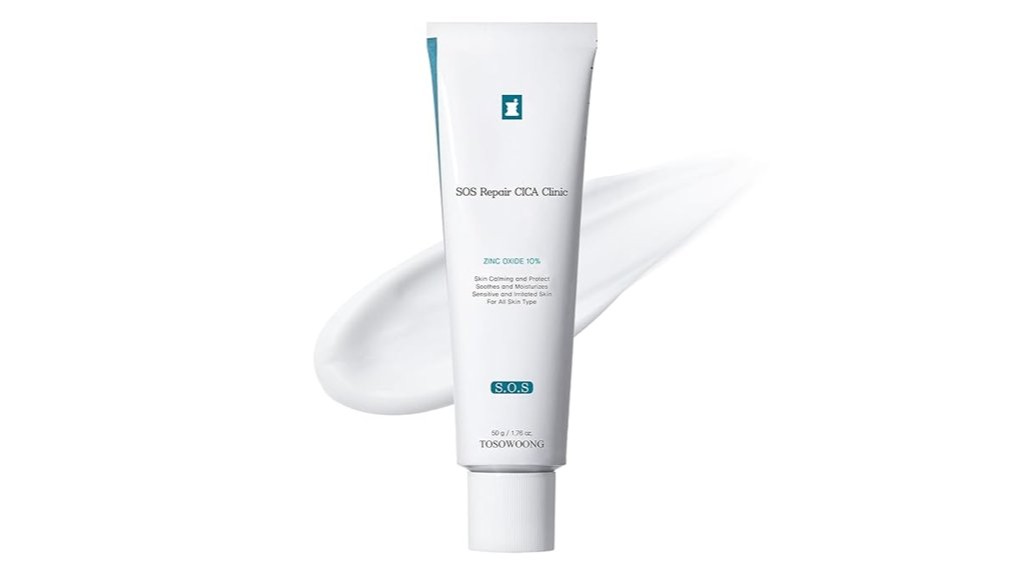
The SOS Repair CICA Clinic Zinc Cream (50g) is particularly suitable for individuals with sensitive or inflamed skin conditions, such as rosacea, because it provides a strong barrier repair and soothing effect. It contains 10% non-nano zinc oxide, which promotes skin healing and offers protection against irritants. The cream helps strengthen the skin’s barrier, reducing moisture loss and calming redness, irritation, and inflammation. Its lightweight, quick-absorbing texture makes it practical for daily use. While it may cause a white cast when applied heavily, its ability to soothe and repair damaged skin consistently makes it a valuable addition to a rosacea skincare routine.
Best For: individuals with sensitive, inflamed, or compromised skin seeking soothing, barrier-strengthening, and healing care, especially those with rosacea or post-procedure skin.
Pros:
- Provides effective skin barrier repair and soothing for irritated or red skin.
- Contains 10% non-nano zinc oxide, promoting healing and offering protection against irritants.
- Lightweight, quick-absorbing formula suitable for daily use and under makeup.
Cons:
- Can cause a noticeable white cast when applied heavily, making it less ideal for daytime or minimalist looks.
- The thick texture may feel heavy or greasy for some users, especially on oily skin.
- Not designed as a primary treatment for active acne or highly oily skin types.
Hydrating Face Moisturizer & Body Cream with Manuka Honey (4 oz)

Hydrating Face Moisturizer & Body Cream with Manuka Honey is an excellent choice for individuals with sensitive, dry, or inflamed skin conditions, including rosacea. It provides nourishing, ingredient-enriched relief by deep moisturizing the skin, which helps restore the moisture balance and reduce common symptoms like redness, irritation, and itching. Its formulation includes natural, organic components such as manuka honey, aloe vera, shea butter, and hyaluronic acid, offering anti-inflammatory and antimicrobial benefits. The cream’s rich but quick-absorbing texture makes it suitable for daily use on both face and body. Regular application may improve skin softness, elasticity, and overall skin health.
Best For: individuals with sensitive, dry, and inflamed skin conditions such as rosacea, eczema, or psoriasis seeking gentle, nourishing, and deeply hydrating skincare.
Pros:
- Made with natural, organic, and hypoallergenic ingredients suitable for sensitive skin
- Provides long-lasting hydration and helps reduce redness, irritation, and signs of aging
- Absorbs quickly without leaving oily residue, making it versatile for face and body use
Cons:
- Using too much may leave a tiny white residue on the skin
- May require consistent, daily application to see optimal results
- Slightly richer texture might feel heavy for those preferring lighter moisturizers
Factors to Consider When Choosing Face Creams for Rosacea
When choosing face creams for rosacea, it’s important to look for formulations that are gentle and free from harsh ingredients, as these can worsen redness and irritation. Effective redness reduction and deep hydration are key factors, so select products that soothe the skin while maintaining a strong protective barrier. By carefully considering these points, you can help manage symptoms and support healthier skin.
Gentle Formulation Needed
Selecting a face cream for rosacea requires careful attention to its formulation, as harsh ingredients can worsen symptoms. Look for products that omit fragrances, alcohol, and strong chemicals, which can cause irritation. Choose creams containing soothing, anti-inflammatory components like niacinamide, aloe vera, or green tea extract to help calm sensitive skin. These ingredients reduce redness and swelling without aggravating the skin. Additionally, opt for non-comedogenic and hypoallergenic formulations, which help prevent clogged pores and allergic reactions. Avoid products with potential irritants such as menthol, eucalyptus, or aggressive preservatives, as these can intensify rosacea symptoms. Always check labels for suitability for sensitive skin, ensuring the product emphasizes gentle, nourishing, and non-irritating qualities essential for managing rosacea effectively.
Reduce Redness Effectively
To effectively reduce redness in rosacea-prone skin, it’s important to think about the ingredients and formulation of your face cream carefully. Look for products containing calming ingredients like willowherb or niacinamide, which can help minimize visible redness and soothe irritated skin. Zinc oxide formulations also provide anti-inflammatory benefits and can calm inflammatory skin. Avoid products with alcohol, fragrances, or other potential irritants, as these can worsen redness and sensitivity. Choosing creams formulated with ingredients like jojoba or sea buckthorn oil offers deep hydration, which helps strengthen the skin barrier over time, reducing redness. Consistent application of barrier-repair creams protects against environmental triggers and gradually diminishes persistent redness in rosacea-prone skin.
Hydration Must Be Deep
Deep hydration is essential for managing rosacea because it helps restore and strengthen the compromised skin barrier. Moisturizers containing ingredients like hyaluronic acid or glycerin are vital, as they draw water into the skin and provide long-lasting moisture that soothes irritation. Effective hydrating creams should penetrate deeply, reducing dryness and flakiness without causing further irritation or clogging pores. Rich ingredients such as shea butter and plant oils deliver essential nourishment, alleviating tightness and discomfort often associated with rosacea. Deep hydration also plays a role in minimizing redness and inflammation, which are common symptoms of the condition. By maintaining adequate moisture levels, you help your skin become more resilient to environmental triggers and reduce the visible signs of rosacea, promoting a calmer, healthier complexion.
Avoid Harsh Ingredients
Choosing face creams for rosacea involves paying close attention to ingredients, as many common components can worsen sensitive skin conditions. Harsh ingredients like alcohol, fragrances, and synthetic dyes can irritate and inflame the skin, leading to more redness and discomfort. Strong active ingredients, such as alpha hydroxy acids (AHAs) or retinoids, may weaken the skin barrier, increasing sensitivity and vulnerability to irritants. Foaming agents like sodium lauryl sulfate can strip natural oils, causing dryness and aggravating redness. Preservatives such as parabens or formaldehyde releasers can trigger allergic reactions or skin sensitivities, especially in susceptible individuals. Selecting products free of these irritating components helps preserve your skin’s natural barrier and reduces the likelihood of flare-ups, providing calmer, more comfortable skin.
Protective Barrier Essential
Since the skin’s natural barrier plays a crucial role in protecting against environmental irritants, selecting a face cream that supports and enhances this barrier is essential for managing rosacea. A strong barrier helps shield your skin from wind, pollution, and harsh weather that can worsen symptoms. Look for products containing ingredients like zinc oxide, which creates a physical shield to reduce moisture loss and limit irritant penetration. Ingredients such as ceramides, colloidal oatmeal, or certain plant oils restore and strengthen your skin’s defenses. Maintaining an intact skin barrier reduces inflammation, redness, and irritation associated with rosacea flare-ups. A well-formulated barrier-focused cream can effectively prevent new sensitivities and keep your skin calmer. Prioritize products that explicitly support barrier health for more consistent, long-term relief.
Non-Irritating Texture Preference
The texture of your face cream plays a significant role in how well it suits sensitive, rosacea-prone skin. A non-irritating cream should have a smooth, lightweight feel that reduces friction and minimizes the risk of irritation. Creams with a gel-like or creamy consistency are often gentler, providing a soothing sensation without causing tightness or discomfort. Formulations free from irritants like alcohol, artificial fragrances, or added fragrances typically have a calmer texture that’s better tolerated. Additionally, a good cream should absorb quickly, leaving no heavy, greasy, or chalky residue that could clog pores or worsen redness. Water-based or hypoallergenic products usually offer a soothing, non-irritating experience, making them ideal choices for sensitive skin affected by rosacea.
Support Skin Healing
Opting for face creams that support skin healing involves focusing on ingredients and formulations proven to strengthen the skin’s natural barrier and promote recovery. Look for products containing zinc oxide and ceramides, which help rebuild and reinforce the skin barrier, aiding in faster healing of rosacea-affected skin. Incorporate creams with soothing botanicals like willowherb and manuka honey, as these ingredients help reduce inflammation and support skin recovery. It’s equally important to avoid harsh chemicals, fragrances, and alcohol, which can irritate sensitive skin and hinder healing. Choose formulations that boost barrier repair and lock in moisture, creating a protective environment conducive to recovery. Using these healing-focused products consistently over time can diminish redness and irritation, contributing to healthier, more resilient skin.
Frequently Asked Questions
Can Face Creams Permanently Cure Rosacea?
No, face creams can’t permanently cure rosacea, but they can help control symptoms, reduce flare-ups, and soothe your skin. Consistent use alongside other treatments may improve your skin’s appearance and comfort over time.
Are Natural Ingredients Safer for Rosacea-Prone Skin?
Natural ingredients can be safer for your rosacea-prone skin if you’re cautious about potential irritants. Always patch test new products, choose gentle, fragrance-free options, and consult your dermatologist to guarantee natural ingredients suit your specific skin needs.
How Often Should I Apply Rosacea-Specific Face Creams?
You should apply rosacea-specific face creams twice daily, morning and night, to soothe your skin and reduce redness. Be gentle, use a small amount, and follow your dermatologist’s instructions for best results and minimal irritation.
Can These Creams Cause Additional Skin Irritation?
Yes, these creams can cause irritation if you’re allergic or sensitive to ingredients. Always do a patch test first, follow directions carefully, and consult a dermatologist if you notice increased redness or discomfort.
Do Face Creams Work Better Than Oral Medications for Rosacea?
Face creams can be effective, especially for mild rosacea, but they often work best when combined with oral medications for moderate to severe cases. Consult your dermatologist to determine the most suitable treatment plan for your skin.