
Choosing the right color corrector for dark spots depends on understanding your skin tone and the specific discoloration you’re targeting. In 2025, effective options include peach, orange, and deep yellow shades, each designed to neutralize different hues like blue, purple, and red pigmentation. Applying these correctly can improve your skin’s appearance by offering long-lasting, natural-looking results. To learn which formulas best suit your needs and how to choose them, consider the latest developments and expert advice.
VALITIC Papaya and Turmeric Kojic Acid Soap Bar – 2 Pack
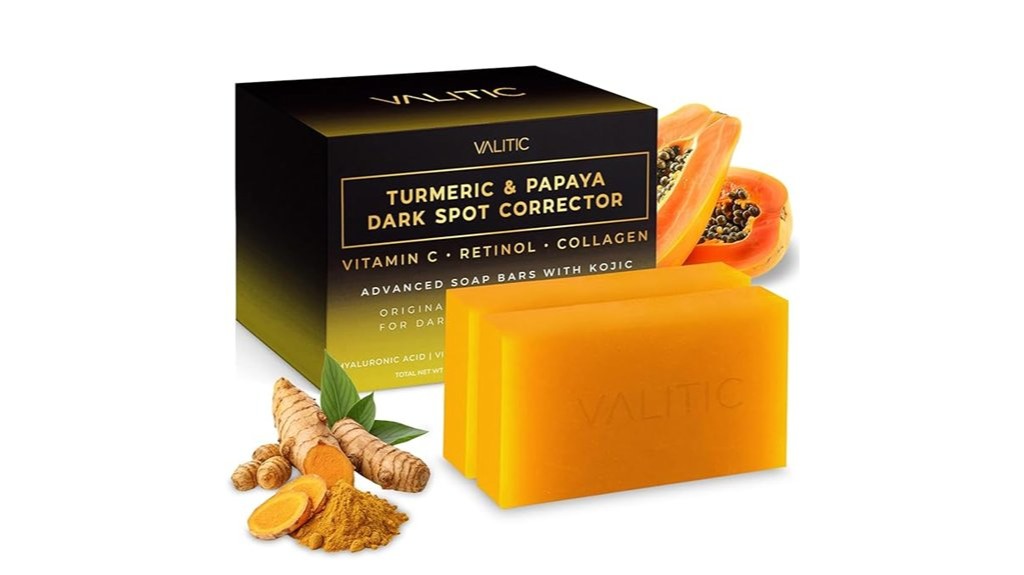
The VALITIC Papaya and Turmeric Kojic Acid Soap Bar – 2 Pack is an effective choice for individuals seeking a natural and gentle solution to reduce dark spots, hyperpigmentation, and other skin discolorations on both the face and body. This soap combines potent ingredients like kojic acid, turmeric, and papaya, which gently exfoliate dead skin, unclog pores, and target the root causes of discoloration. It promotes brighter, more even skin while providing deep hydration thanks to nourishing oils like shea butter and olive oil. Suitable for daily use on all skin types, it helps improve skin texture, visibly fade dark spots, and support overall skin health with consistent application.
Best For: individuals seeking a natural, gentle yet effective solution for reducing dark spots, hyperpigmentation, and uneven skin tone on the face and body, suitable for all skin types.
Pros:
- Contains potent natural exfoliants like kojic acid, turmeric, and papaya for effective skin brightening
- Provides deep hydration with nourishing ingredients such as shea butter and olive oil
- Suitable for daily use on all skin types, cruelty-free, and free from SLS and parabens
Cons:
- Small size of the soap bars may require more frequent repurchasing
- Results may vary depending on individual skin type and consistency of use
- Some users may experience initial sensitivity or dryness when starting regular use
DIME Beauty Dark Spot Corrector
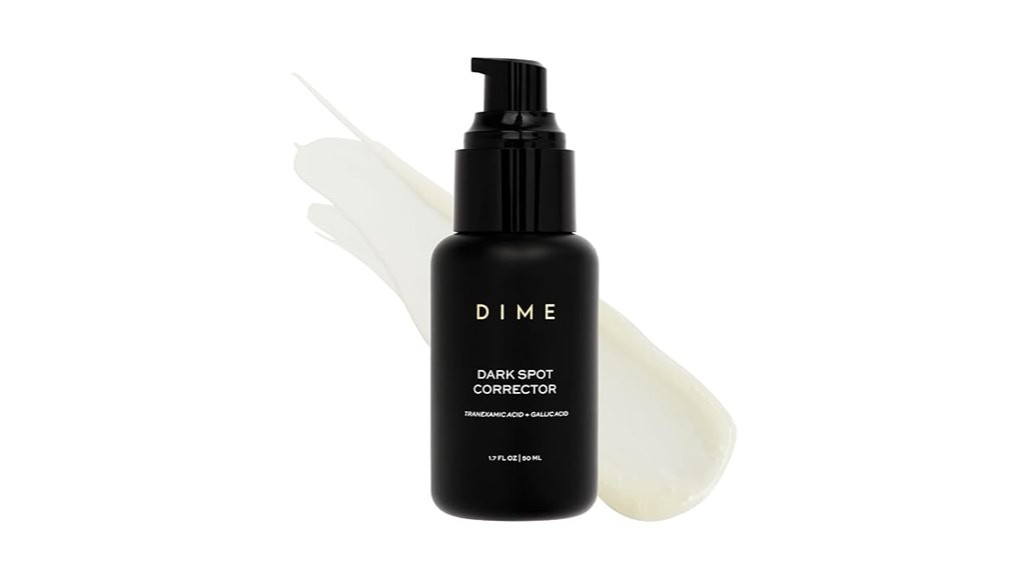
If you’re seeking a targeted solution to improve uneven skin tone and fade dark spots, DIME Beauty Dark Spot Corrector offers a formulation designed for effectiveness without irritation. It utilizes brightening ingredients like tranexamic acid and niacinamide, which work by inhibiting melanin production through different pathways. The formula also contains nourishing botanicals such as aloe, apple extract, and squalane, which help moisturize and support the skin barrier. Suitable for all skin types, including sensitive skin, this serum can be applied twice daily to face, neck, and hands. Results typically appear gradually over a few months, emphasizing consistent use and proper application.
Best For: Those looking to target dark spots and uneven skin tone with a gentle, effective serum suitable for sensitive skin.
Pros:
- Targets multiple pathways to inhibit melanin production, leading to effective brightening.
- Contains nourishing botanicals and lab-made ingredients that support skin barrier and hydration.
- Suitable for all skin types, including sensitive and mature skin, with minimal risk of irritation.
Cons:
- Contains dimethicone, which some users prefer to avoid in skincare products.
- Results require consistent, long-term use over several months to become noticeable.
- The formulation’s scent and texture may not appeal to everyone, with some finding it tacky or strong.
Dark Spot Corrector, 30ML, Even Tone Defender Formula for Melanin-Rich Skin
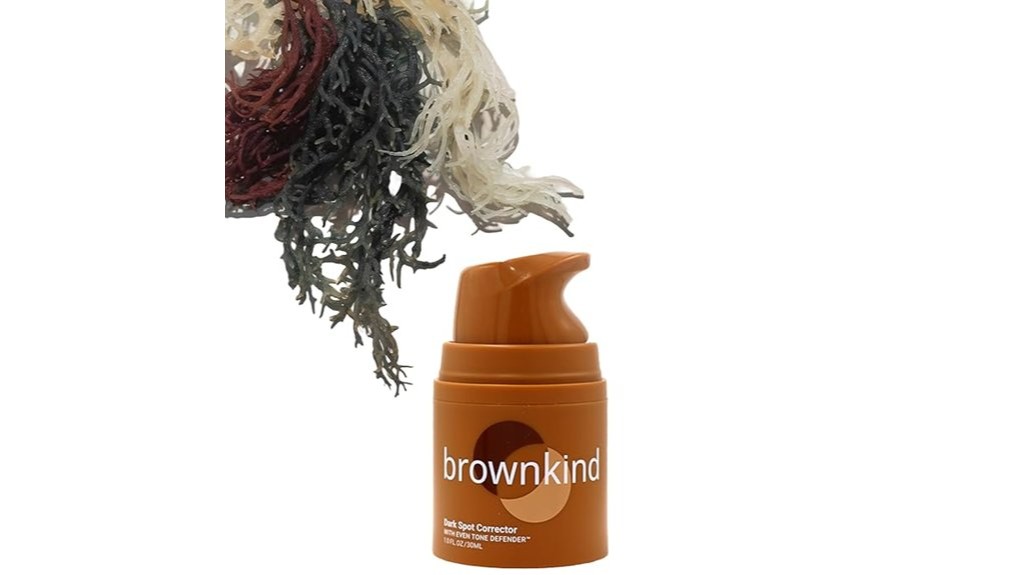
This dark spot corrector is specifically formulated for individuals with melanin-rich skin who seek to improve their skin tone and reduce hyperpigmentation. It comes in a 30ML airless pump bottle with a modern-retro design, making it both functional and stylish. The key ingredients include niacinamide, rainbow algae, and amla extract, which help brighten the skin and support antioxidant protection. The product works effectively within 6 weeks of daily use, especially on hyperpigmented areas like acne scars or uneven patches. Its lightweight, nourishing formula applies smoothly without residue and is suitable for hot, humid climates, making it a practical choice for targeted brightening.
Best For: individuals with melanin-rich or darker skin tones seeking a targeted solution for hyperpigmentation and uneven skin tone improvement.
Pros:
- Effectively brightens hyperpigmented areas within 6 weeks of consistent use
- Lightweight, nourishing texture that layers well under sunscreens and is suitable for hot, humid climates
- Free from fragrance, making it gentle and suitable for sensitive skin
Cons:
- Small 30ML size may seem limited considering the price point
- Results can vary; some users may see minimal improvement or need additional treatments
- Contains ingredients like soy oil and palmitic acid, which could potentially cause breakouts in acne-prone skin
Factors to Consider When Choosing Color Correctors for Dark Spots
When selecting a color corrector for dark spots, it’s important to take into account your skin tone to choose a shade that blends seamlessly and neutralizes discoloration effectively. You should also evaluate the ingredients for transparency and suitability for sensitive skin, as some formulations may cause irritation or adverse reactions. Additionally, pay attention to the longevity and wear of the product to ensure it provides durable coverage without frequent touch-ups, especially if you have skin sensitivities or specific concerns.
Skin Tone Compatibility
Choosing the right color corrector depends heavily on your skin tone and undertones, as these factors influence how well the product neutralizes dark spots. For lighter skin tones, peach or apricot correctors effectively target dark spots with cool or neutral undertones, blending seamlessly without emphasizing pigmentation. Deeper skin tones often require richer, more pigmented shades like brick or deep orange to match their warmer undertones and guarantee proper coverage. Matching the corrector to your natural undertone—warm, cool, or neutral—enhances overall appearance and prevents mismatched hues that can make dark spots more noticeable. It’s also helpful to test on small areas first, ensuring compatibility and avoiding unnatural color casts or uneven coverage, which results in a more natural, flawless finish.
Corrector Shade Selection
Selecting the appropriate corrector shade is essential for effectively neutralizing dark spots and should be based on the specific undertone of the discoloration. To counteract blue or purple undertones, choose peach or orange correctors, as these shades directly offset those cool tones. For brown or red undertones, yellow correctors work best by neutralizing the warmth. The brightness of the corrector should match the darkness of the spots; deeper, pigmented spots need more saturated shades to effectively conceal them. For pinpoint blemishes or hyperpigmentation, opt for smaller applicators like jars or sticks for precise shading. Always consider your overall skin tone and undertone to avoid mismatched hues, which can make dark spots more noticeable rather than less. Proper shade selection is key to achieving a seamless correction.
Ingredient Transparency
Ensuring ingredient transparency in color correctors is essential for making informed choices, especially for individuals with sensitive or problematic skin. Clear ingredient lists allow you to identify potential allergens, irritants, or ingredients that might worsen skin issues. Knowing the exact components helps you verify the presence of beneficial ingredients, such as niacinamide, licorice extract, or antioxidants, which can support dark spot reduction. Transparency also enables you to assess the safety and ethical aspects of a product, such as cruelty-free or vegan certifications. When you can scrutinize the ingredient list, you build confidence in your decisions and reduce the risk of adverse reactions. Ultimately, ingredient transparency empowers you to select products that are safe, suitable, and aligned with your skincare goals.
Longevity and Wear
Longevity and wear are key factors to contemplate when evaluating color correctors for dark spots, as a product’s ability to stay effective throughout the day impacts overall results. The formulation influences durability, with powder correctors generally lasting longer than creams or liquids. Skin type also plays a role; oily skin can cause products to slip or break down faster, reducing effectiveness. Applying a primer beforehand enhances adherence and extends wear time, especially on oily or textured skin. Using setting powders or sprays after applying the corrector can prevent creasing and fading, helping the product resist sweat, humidity, and facial movements during daily activities. Overall, choosing a product designed for long-lasting wear ensures that your correction remains visible and effective throughout the day.
Skin Sensitivity Risks
The risk of skin sensitivity is an important consideration when choosing color correctors for dark spots, as some formulations can cause reactions ranging from mild irritation to more severe allergies. Different skin types have varying sensitivities, making it essential to select products suited for your skin’s specific needs. Ingredients like fragrance, alcohol, or certain preservatives often trigger sensitivities, especially in reactive or delicate skin. It’s advisable to test a small patch of skin before applying a new product fully, to check for any adverse reactions. Opting for hypoallergenic or skin-sensitive formulations can considerably reduce irritation risks. Overusing or applying thick layers of color correctors may overwhelm sensitive skin, increasing irritation or worsening existing skin conditions.
Texture and Finish
Have you considered how the texture and finish of a color corrector can impact its effectiveness and blendability? The texture influences how easily it spreads and layers, with thick, creamy formulas offering full coverage but potentially emphasizing imperfections if not blended well. Lightweight, gel-like options tend to blend more seamlessly, providing a natural finish. The finish itself determines the corrector’s appearance on skin: a matte finish works well for oily skin by controlling shine and preventing creasing, while dewy or radiant finishes add luminosity but may require setting powders to avoid sliding or settling into fine lines. Thin, sheer textures allow for buildable coverage suitable for layering beneath foundation, making it easier to customize the correction without caking. The right combination enhances both natural look and longevity.
Application Techniques
Applying color correctors properly can considerably influence their effectiveness in neutralizing dark spots. Begin by applying the corrector after priming but before foundation or concealer, as this helps maximize blending and color-canceling effects. Use a small, precise brush or your fingertip to gently apply and blend the corrector onto the dark spots, focusing on thin layers to prevent uneven texture buildup. Select the correct shade based on the discoloration—green for redness and orange for blue or gray spots—to neutralize the tone effectively. Lightly set the area with a translucent powder to keep the corrector in place and prevent creasing throughout the day. Blend the edges seamlessly into surrounding skin for a natural progression and ideal appearance.
Cost and Value
Choosing the right color corrector often involves balancing cost and value to guarantee you get effective results without overspending. Budget options under $10 can still offer good pigmentation and blendability, making them suitable for daily use. Higher-priced correctors, exceeding $50, generally contain concentrated or advanced ingredients that may boost efficacy, but they don’t always produce superior results. When evaluating value, consider factors like the size of the product, the strength of active ingredients, and how well it targets your specific dark spot concerns. Investing in a higher-quality product might be worthwhile if it delivers faster, more noticeable results, reducing the need for multiple products or repeated applications. Ultimately, finding the right balance ensures you get effective treatment without unnecessary expense.
Frequently Asked Questions
Are Color Correctors Suitable for Sensitive Skin?
Yes, color correctors can be suitable for sensitive skin if you choose products formulated for your skin type and avoid harsh ingredients. Always do a patch test first, and look for calming formulas to prevent irritation.
How Long Does It Take to See Results?
You typically see results within two to four weeks when using color correctors consistently. Stick with your routine, be patient, and follow proper application techniques to notice dark spots fading and the overall skin tone improving gradually.
Can Color Correctors Be Used Daily?
Yes, you can use color correctors daily if your skin tolerates them well. Just apply a thin layer, blend thoroughly, and follow up with your usual skincare and makeup routine to prevent irritation and achieve the best results.
Do Correctors Have Any Adverse Side Effects?
Correctors generally don’t have adverse side effects if you choose the right shade for your skin and use them properly. However, overuse or allergic reactions might cause irritation, so always patch-test and follow instructions when applying.
How Do I Choose the Right Color Corrector for My Skin Tone?
You choose the right color corrector by identifying your skin’s undertone and specific dark spot color. Match green for redness, peach or orange for dark spots, and opt for a shade close to your skin tone for a seamless blend.