
Choosing the right body oils for massage therapy can greatly impact your overall experience, affecting relaxation, skin health, and muscle relief. Different oils offer distinct properties, from quick absorption and calming aromas to deep hydration and muscle soothing effects. Understanding these differences guarantees you select an oil tailored to your needs, enhancing both comfort and results. Exploring the top options available can help you make an informed decision and elevate your next massage—details you won’t want to miss.
Frankincense & Lavender Botanical Oil for Face, Body & Massage

If you’re seeking a versatile body oil suitable for both massage and daily skin care, the Frankincense & Lavender Botanical Oil offers an all-encompassing solution. It combines the resinous scent of frankincense with the floral notes of lavender, enhanced by bergamot, lemon peel, chamomile, and vetiver, creating a calming aroma. Formulated with plant-based oils like jojoba, sweet almond, and sunflower seed oil, it absorbs quickly and provides lightweight hydration. Its scent features sandalwood and bergamot, which gently dissipate after application. Suitable for face, body, and massage, it promotes skin hydration and emotional relaxation without leaving a greasy residue, making it ideal for regular use.
Best For: those seeking a natural, versatile botanical oil for soothing massages, daily skin hydration, and emotional relaxation with a calming scent and lightweight feel.
Pros:
- Quickly absorbs into skin, providing lightweight and non-greasy hydration
- Calming, resinous-floral aroma enhances relaxation and massage experience
- Versatile use for face, body, massage, and aromatherapy, making it suitable for daily self-care routines
Cons:
- The orifice reducer may be difficult to operate, potentially hindering precise application
- High price point may be a consideration for some users
- Limited shelf life of six months after opening requires timely use to maintain freshness
OSEA Undaria Algae™ Body Oil 5 oz – Vegan Non-Greasy Skin Moisturizer for Dry Skin
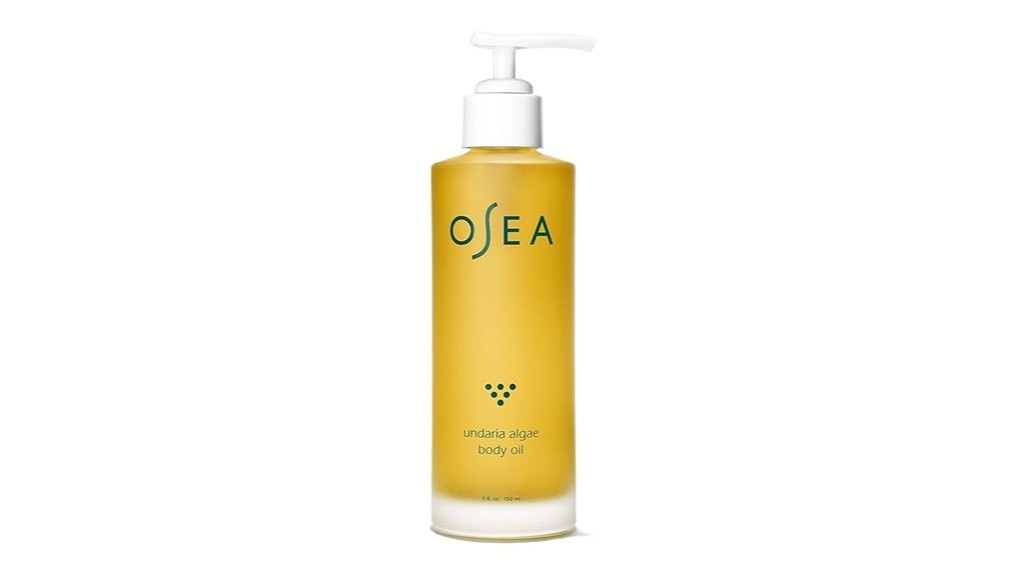
The OSEA Undaria Algae™ Body Oil is an ideal choice for those seeking a lightweight, non-greasy moisturizer that delivers deep hydration and skin-firming benefits. This seaweed-infused product is rich in antioxidants, designed to soften, nourish, and visibly improve skin elasticity. It provides instant moisturization and is clinically proven to enhance skin’s firmness after one use. The oil’s unique formula, made with hand-harvested Undaria Algae and botanical oils, offers a natural, artisanal touch. Its uplifting scent combines grapefruit, lime, cypress, mango, and mandarin for an energetic experience. Suitable for dry skin, it’s best applied generously to damp skin for maximum absorption.
Best For: individuals with dry or mature skin seeking a lightweight, fast-absorbing moisturizer that improves elasticity and provides a radiant glow.
Pros:
- Vegan, clean, and made with natural seaweed-based ingredients
- Clinically proven to enhance skin firmness and hydration after just one use
- Uplifting scent with energizing citrus and cypress notes
Cons:
- May contain natural seaweed sediment that can affect appearance but not quality
- Designed primarily for dry skin, so may be less effective for oily or acne-prone skin
- Requires application on damp skin for optimal results, which may not suit all routines
M3 Naturals Arnica Massage Oil with Collagen & Menthol

M3 Naturals Arnica Massage Oil with Collagen & Menthol is an ideal choice for individuals seeking a multi-benefit body oil that combines muscle relief with skin firming. It moisturizes, tightens, and firms the skin while relieving sore, tired muscles. Its anti-cellulite properties help reduce the appearance of cellulite on various body areas, supporting a toned look. The formula includes nourishing ingredients like arnica, peppermint, collagen, and stem cells, which promote skin health and anti-aging effects. Suitable for all skin types, it absorbs quickly and can be used day or night. Its multi-action design enhances both relaxation and body contouring efforts, making it a versatile addition to wellness routines.
Best For: individuals seeking a versatile body oil that provides muscle relief, skin firming, and anti-cellulite benefits suitable for all skin types.
Pros:
- Combines muscle relief and skin tightening in one product for convenience.
- Contains nourishing and anti-aging ingredients like collagen, stem cells, arnica, and peppermint oils.
- Quickly absorbs, suitable for use day or night, and enhances wellness routines.
Cons:
- May not provide intensive relief for severe muscle injuries.
- Some users might prefer fragrance-free options if sensitive to essential oils.
- Effectiveness on cellulite reduction can vary depending on individual skin type and consistency of use.
Factors to Consider When Choosing Body Oils for Massage Therapy
When choosing body oils for massage therapy, it’s important to take into account several factors to guarantee the best experience and outcomes. You should evaluate skin compatibility to prevent irritation, scent preferences to create a relaxing atmosphere, and the absorption rate to determine how quickly the oil penetrates the skin. Additionally, choosing high-quality ingredients and matching the oil to your massage technique can enhance effectiveness and safety.
Skin Compatibility
Have you considered how your skin’s unique needs and sensitivities influence the choice of body oils for massage therapy? Choosing products with natural ingredients can notably lower the risk of allergic reactions and skin irritation. Oils formulated for all skin types usually avoid comedogenic ingredients that could clog pores or cause breakouts. Conducting a patch test before full application can help identify potential sensitivities to specific oils or essential oils. Understanding your skin’s hydration levels guides you in selecting between lightweight, fast-absorbing oils or richer, emollient formulas. Additionally, oils infused with soothing botanicals like chamomile or vetiver may be better suited for sensitive skin prone to redness or irritation. Prioritizing skin compatibility ensures a safer, more comfortable massage experience tailored to your individual needs.
Scent Preferences
Scent preferences play a significant role in selecting body oils for massage therapy, as aromas can influence both relaxation and emotional responses. The right scent can evoke calming, energizing, or uplifting feelings, enhancing the overall experience. Choosing an oil with a fragrance that aligns with personal or client preferences promotes emotional well-being and contributes to a more enjoyable session. Fragrance intensity varies; some individuals prefer subtle, fleeting scents, while others enjoy more pronounced, longer-lasting aromas. Natural botanical oils like lavender and frankincense tend to offer gentle, calming scents, reducing the likelihood of irritation or allergic reactions. Conversely, synthetic fragrances may be overpowering or cause sensitivities. Considering scent preferences guarantees the massage remains comfortable, pleasurable, and tailored to individual needs.
Absorption Rate
The absorption rate of body oils plays a crucial role in determining their suitability for different massage techniques and routines. Fast-absorbing oils, like jojoba or fractionated coconut oil, penetrate the skin quickly, making them ideal for quick massages or daily skincare without leaving a greasy residue. These allow you to resume activities promptly. Conversely, oils with a slower absorption rate, such as sweet almond or sesame oil, stay on the skin longer, offering extended slip and glide, which benefits longer, relaxing massages. The composition of carrier oils influences absorption, with some penetrating deeply while others create a superficial layer. Warming the oil can also enhance absorption speed, as heat helps the oil penetrate the skin more rapidly. Consider your massage goals when choosing an oil based on its absorption characteristics.
Ingredient Quality
Choosing high-quality body oils is essential for guaranteeing safety, effectiveness, and a positive massage experience. High-quality oils are usually cold-pressed or steam-distilled, which preserves their nutrients and essential aromas. Pure botanical oils should be free from synthetic fragrances, parabens, phthalates, and harmful preservatives, reducing the risk of skin irritation or adverse reactions. The concentration and source of active ingredients, like essential oils and plant extracts, directly impact their therapeutic benefits. Opt for organic, sustainably sourced oils to avoid pesticides and environmental contaminants, enhancing safety and purity. Additionally, carrier oils such as jojoba or sweet almond should be cold-pressed, free from hexane, and skin-friendly to maximize absorption while minimizing irritation. Prioritizing ingredient quality ensures a safe, effective, and beneficial massage experience.
Massage Technique
Different massage techniques necessitate specific oil properties to achieve ideal results. For example, techniques involving long, flowing strokes, like Swedish massage, benefit from lightweight, fast-absorbing oils that offer minimal resistance and prevent greasiness. Conversely, deep tissue or fascia release require thicker oils or creams that provide more glide and a certain resistance, enabling sustained pressure and precise movements. The consistency and slip of the oil can influence how smoothly the therapist performs, affecting the massage’s effectiveness. Techniques that involve deep or targeted work often benefit from emollients that facilitate smoother motion. Selecting the right oil based on your massage method ensures maximum performance, enhances comfort, and supports the specific therapeutic goals of each technique.
Skin Hydration
Ensuring ideal skin hydration during massage therapy involves selecting body oils that actively support moisture retention and skin elasticity. Look for oils rich in nourishing plant-based ingredients like jojoba, sweet almond, or sunflower seed oil, which deeply hydrate and improve skin firmness. Oils containing antioxidants and vitamins, such as vitamin E or algae extracts, protect against environmental damage, enhancing moisture levels. Lightweight and quickly absorbed, these oils prevent residue or greasiness, ensuring comfort and maximum hydration. Incorporating humectants like glycerin or aloe vera in the formulation helps draw moisture into the skin, boosting hydration during and after the session. Properly chosen oils maintain the skin’s moisture balance, reducing dryness, and promoting softer, more resilient skin overall.
Therapeutic Benefits
Therapeutic benefits remain a key consideration when selecting body oils for massage therapy, as the right ingredients can enhance the effectiveness of the session. Certain oils contain compounds known to reduce inflammation, helping to alleviate swelling and soreness, which provides lasting relief. Additionally, oils infused with essential oils or botanical extracts can improve skin elasticity and hydration, supporting overall skin health. The viscosity and absorption rate of the oil impact its ability to facilitate deep tissue work and fascia release, making these factors essential when targeting specific muscular issues. Many oils include scientifically studied ingredients, such as arnica, menthol, or seaweed extracts, which are known to address various physical or emotional wellness outcomes. Choosing the right oil based on these benefits can *considerably* improve treatment results.
Packaging Convenience
When selecting body oils for massage therapy, considering packaging convenience is vital to guarantee ease of use, cleanliness, and product integrity. Packaging with a drop-control insert or a dropper allows for precise measurement, reducing waste and ensuring consistent application. Small, portable bottles made of shatterproof glass or durable plastic are convenient for travel and on-the-go sessions. Tamper-resistant seals and sealed outer packaging help maintain freshness and reassure users of safety and quality. Clear bottles with visible labeling make it easy to identify the product type and ingredients during application. Additionally, packaging that minimizes mess, such as pump dispensers or controlled flow orifices, enhances convenience and cleanliness. These features ensure a smoother, more efficient massage experience while protecting the product.
Frequently Asked Questions
Are Body Oils Suitable for Sensitive Skin Types?
Yes, body oils can be suitable for sensitive skin if you choose hypoallergenic, dermatologist-tested options. Always do a patch test first, and opt for natural ingredients like coconut or jojoba oil to minimize irritation and enjoy a gentle massage.
How Long Do Massage Oils Typically Last Before Expiry?
Massage oils typically last between one to two years before expiry, depending on their ingredients and storage. To guarantee freshness, check the expiration date and store oils in a cool, dark place away from direct sunlight.
Can Body Oils Be Used as Everyday Moisturizers?
Yes, you can use body oils as everyday moisturizers if they’re suitable for your skin type. Just guarantee they’re gentle, non-comedogenic, and free from irritants; otherwise, they might clog pores or cause irritation.
Do Natural Oils Cause Allergic Reactions for Most Users?
Natural oils can cause allergic reactions in some users, especially those with sensitive skin or allergies to specific ingredients. Always test a small skin area first, and consult a dermatologist if you have concerns.
How Do I Store Massage Oils to Maintain Quality?
You store massage oils in a cool, dark place to maintain their quality. Keep bottles tightly sealed, away from direct sunlight and temperature fluctuations, and avoid contamination by using clean hands or tools when dispensing.