
Choosing the right facial sunscreen is essential for effective daily skin protection, especially given the variety of formulations suited to different skin types and preferences. It’s important to take into account factors such as SPF level, formulation ingredients, and compatibility with sensitive skin, balancing protection with comfort and environmental responsibility. Understanding these options helps ensure your skin remains protected from harmful UV rays without compromising skin health or causing irritation. To find the best fit for your routine, examine the features of top-rated options.
COOLA Organic SPF 50 Face Sunscreen, Dermatologist Tested, Vegan & Gluten-Free, Fragrance-Free, 1.7 Fl Oz
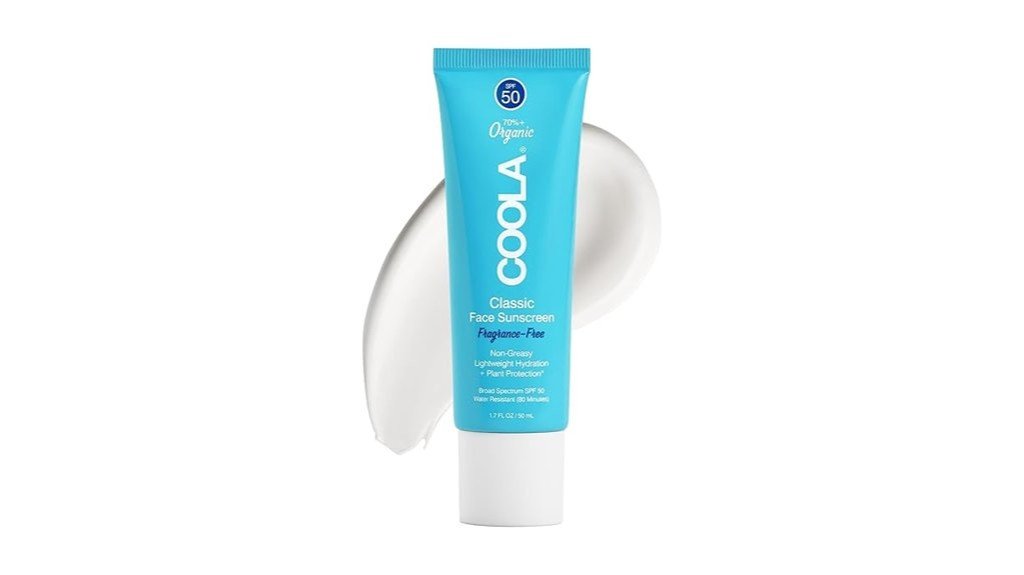
If you have sensitive skin or prefer a product that is gentle yet effective for everyday use, the COOLA Organic SPF 50 Face Sunscreen is an excellent choice. It offers broad-spectrum protection with SPF 50, blocking harmful UVA and UVB rays. The lightweight, non-greasy formula absorbs quickly, leaving your skin smooth without residue. It contains antioxidants that help fight free radicals and hydrate your skin, supporting your skin barrier’s health. The product is fragrance-free, making it suitable for sensitive skin. Additionally, it’s vegan, gluten-free, and cruelty-free, aligning with eco-friendly and ethical standards. It’s water-resistant for up to 80 minutes, ideal for outdoor activities.
Best For: individuals with sensitive skin seeking a lightweight, effective, and eco-friendly daily sun protection solution.
Pros:
- Provides broad-spectrum SPF 50 protection against UVA and UVB rays
- Lightweight, fast-absorbing, non-greasy formula that leaves skin feeling smooth
- Fragrance-free, vegan, gluten-free, and cruelty-free, suitable for sensitive skin and eco-conscious consumers
Cons:
- May require reapplication more frequently after intense outdoor activities
- Slightly higher price point compared to conventional sunscreens
- Does not come in a larger size, which may be less economical for frequent use
Neutrogena Ultra Sheer Face Sunscreen with SPF 60 (1.7 Fl Oz)
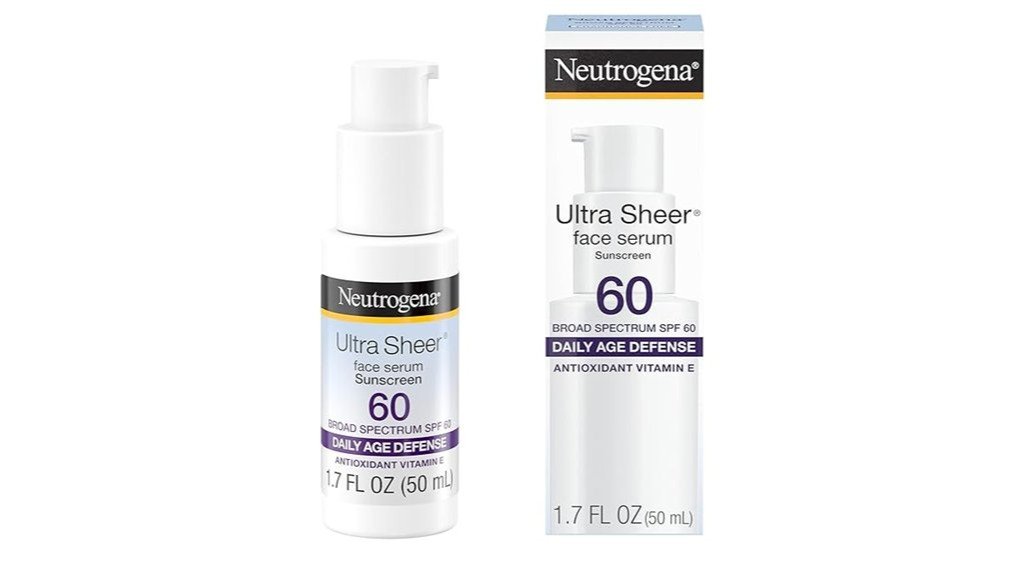
The Neutrogena Ultra Sheer Face Sunscreen with SPF 60 is an excellent choice for individuals seeking reliable daily sun protection that seamlessly integrates into their skincare routine. Its broad-spectrum SPF 60 shields against both UVA and UVB rays, providing effective defense from sun damage and skin aging. Water-resistant for up to 80 minutes, it offers durable protection during outdoor activities. The lightweight serum formula hydrates skin with vitamin E, absorbs quickly, and leaves no white cast or greasy residue, making it suitable for layering under makeup or wearing alone. Its compact size enhances portability, supporting consistent daily application whether at home, work, or on the go.
Best For: individuals seeking a lightweight, reliable sunscreen that protects against UVA/UVB rays while hydrating the skin and doubling as a makeup primer.
Pros:
- Broad-spectrum SPF 60 provides comprehensive sun protection
- Lightweight, fast-absorbing serum formula without white cast or greasiness
- Hydrates skin with vitamin E and can be used alone or as a makeup primer
Cons:
- May be less effective if not reapplied regularly during prolonged sun exposure
- Contains oxybenzone, which some users prefer to avoid due to sensitivity concerns
- The 1.7 fl oz size, while travel-friendly, may require frequent re-purchasing for daily use
CeraVe Mineral Sunscreen SPF 50, Face Sunscreen with Zinc Oxide & Titanium Dioxide
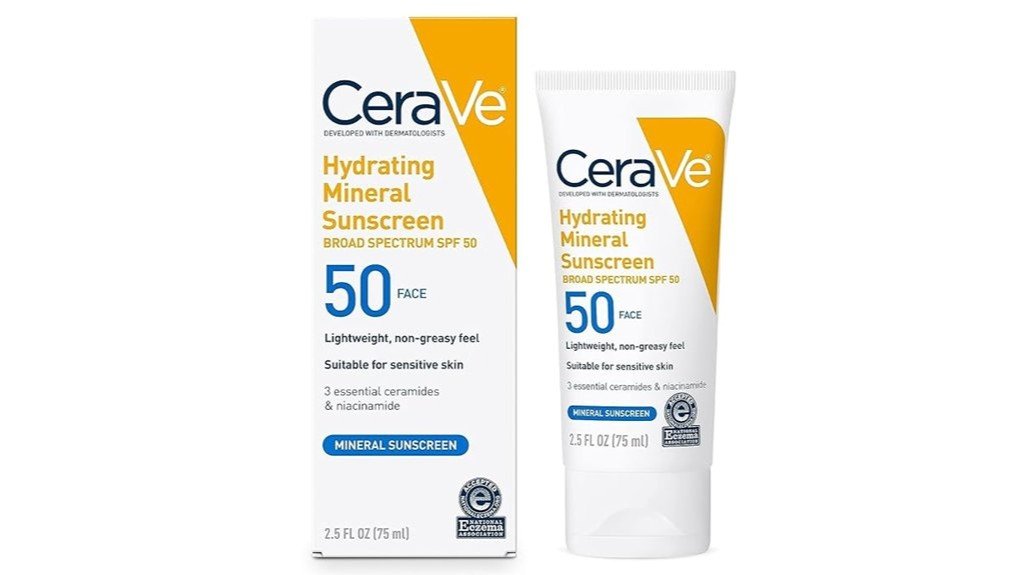
CeraVe Mineral Sunscreen SPF 50 is an ideal choice for individuals with sensitive skin who need broad-spectrum protection without the risk of irritation. Its formula uses mineral filters, Zinc Oxide and Titanium Dioxide, to reflect UVA and UVB rays effectively, providing reliable sun protection. The product is developed with dermatologists and contains ceramides and Hyaluronic Acid, which help restore and maintain the skin’s natural barrier while keeping skin hydrated. It is fragrance-free, oil-free, and noncomedogenic, making it suitable for sensitive skin and conditions like eczema. However, it may cause a white cast and feel greasy if not applied and blended carefully.
Best For: individuals with sensitive or eczema-prone skin seeking a mineral-based, fragrance-free sunscreen that offers broad-spectrum protection and skin barrier support.
Pros:
- Provides effective UVA/UVB protection with mineral filters Zinc Oxide and Titanium Dioxide
- Contains ceramides and Hyaluronic Acid to help restore and hydrate sensitive skin
- Fragrance-free, oil-free, and noncomedogenic, suitable for daily use and outdoor activities
Cons:
- May leave a noticeable white cast if not blended thoroughly
- Can feel greasy or sticky, especially in hot or humid weather
- Potential transfer onto clothing, surfaces, or accessories, leading to messiness
Factors to Consider When Choosing Facial Sunscreens for Daily Wear
When selecting a facial sunscreen for daily use, you should consider the SPF level to guarantee adequate protection against UV rays, especially during prolonged outdoor activities. It’s important to choose a formula compatible with your skin type to prevent irritation or breakouts, and the texture should feel comfortable on your skin for all-day wear. Additionally, evaluating water and sweat resistance is useful if you are active, and understanding the product’s environmental impact can help you make more sustainable choices.
SPF Level Adequacy
Choosing the right SPF level for daily facial sunscreen involves understanding how protection varies with different ratings. SPF 30 blocks about 97% of UVB rays, while SPF 50 blocks approximately 98%, offering high protection for everyday activities. Higher SPF options like SPF 70 or 100 provide only marginal increases in UVB protection and don’t *considerably* extend safe sun exposure without reapplication. The American Academy of Dermatology recommends using at least SPF 30 daily. However, SPF effectiveness relies on proper application and reapplication every two hours, especially after sweating or swimming. Keep in mind that an excessively high SPF does not compensate for poor application or lack of other protective measures, like seeking shade or covering exposed skin. Proper choice and consistent application are essential for effective skin protection.
Skin Compatibility
Have you ever wondered how your skin’s sensitivity influences which sunscreen you should choose? If you have sensitive skin, look for formulations designed for your skin type, free from fragrances, preservatives, and potential irritants that could cause reactions. Mineral filters like zinc oxide or titanium dioxide are often gentler and less likely to cause irritation, making them suitable for sensitive or compromised skin. To support your skin’s natural barrier and prevent dryness, select sunscreens with hydrating ingredients like hyaluronic acid or ceramides. If you are prone to acne or breakouts, check that the product is non-comedogenic, ensuring it won’t clog pores. Also, avoid ingredients like oxybenzone or parabens, which can trigger adverse reactions or sensitivities in some individuals.
Texture and Feel
The texture and feel of facial sunscreen play a crucial role in daily comfort and ease of use, influencing whether you will consistently apply and reapply your protection. The texture varies from lightweight lotions and hydrating serums to thick creams, affecting how the product feels on your skin. A non-greasy, quick-absorbing formula is ideal for daily use, as it reduces shine and heaviness, making it comfortable throughout the day. Cream or physical sunscreens may sometimes leave a white cast or residue, which can affect your appearance and comfort. Gel-based sunscreens usually feel lighter and are preferred if you have oily or acne-prone skin. The sensation, such as stickiness or cooling effects, also influences user satisfaction during extended wear, highlighting the importance of selecting a texture that suits your skin and lifestyle.
Water and Sweat Resistance
Water and sweat resistance are important factors to contemplate because they determine how well a sunscreen stays effective during physical activities or in humid conditions. Sunscreens with higher water resistance ratings, such as 40 or 80 minutes, indicate how long the product can withstand immersion or sweating before needing reapplication. However, SPF alone doesn’t guarantee resistance to water or sweat; a high SPF product may lack these properties. These sunscreens contain polymers or film-forming agents to help them adhere through moisture and perspiration. Reapplication remains essential after swimming, heavy sweating, or towel drying, regardless of water resistance claims. Keep in mind, even water-resistant formulas can fade over time due to physical wear, so follow the manufacturer’s guidelines to maintain protection during extended outdoor activities.
Environmental Impact
Choosing a facial sunscreen that considers environmental impact is an important step toward protecting both your skin and the planet. Look for products with reef-safe ingredients, such as zinc oxide and titanium dioxide, as these mineral filters minimize harm to coral reefs and marine life. Avoid chemical UV filters like oxybenzone and octinoxate, which are toxic to aquatic ecosystems and persist in the environment. Eco-conscious sunscreens often come in biodegradable or recyclable packaging, reducing plastic waste and marine pollution. It’s also advantageous to select formulations that do not accumulate or persist in ecosystems, limiting long-term environmental disruption. Additionally, choosing sunscreens compliant with environmental regulations, such as the Hawaii Reef Act, ensures the product aligns with ecological preservation standards, supporting sustainable practices.
Ease of Application
Ease of application is an important factor to contemplate because it directly affects how effectively you can apply sunscreen daily. Sunscreens that are lightweight, liquid, or spray often spread more evenly across the skin, reducing streaks or white cast. Formulas designed for quick absorption, like gels or serums, enable smoother application and minimize the time needed for proper coverage. Spray sunscreens provide convenience and an even layer but require careful spraying to ensure consistent coverage. Mineral sunscreens containing zinc oxide or titanium dioxide may initially leave a white residue, but blending well can improve simplicity of application. The texture and consistency of the sunscreen impact how easily it spreads and adheres, influencing your daily usability and ensuring that you consistently apply the recommended amount for effective protection.
Ingredient Transparency
Clear and detailed ingredient lists are essential when selecting a facial sunscreen for daily use because they provide transparency about what’s in the product. Knowing exactly what active ingredients are included, such as zinc oxide or avobenzone, helps you understand how the sunscreen offers protection. Transparency about inactive ingredients also allows you to check for substances that might cause sensitivities or allergies, fostering trust in the product. Full disclosure helps you make informed choices that align with your skin sensitivities, ethical beliefs, or lifestyle preferences, like vegan or eco-friendly standards. Additionally, visible ingredient lists make it easier to compare different sunscreens, ensuring you select one with formulations suitable for your skin type and daily regimen.
Frequently Asked Questions
How Often Should I Reapply Daily Facial Sunscreen?
You should reapply your facial sunscreen every two hours when outdoors, after sweating, swimming, or towel-drying. This guarantees continuous protection, especially during prolonged sun exposure, helping prevent skin damage and premature aging.
Can I Wear Facial Sunscreen Under Makeup?
Yes, you can wear facial sunscreen under makeup. Apply it generously as the first step in your routine, and wait a few minutes for it to absorb before applying primer, foundation, or other makeup products for effective protection.
Are There Specific Sunscreens for Sensitive Skin?
Yes, you can find sunscreens formulated specifically for sensitive skin, often fragrance-free, hypoallergenic, and mineral-based. These products help reduce irritation while providing essential sun protection, making them ideal for daily use on delicate or sensitive skin.
How Does Facial Sunscreen Differ From Body Sunscreen?
Facial sunscreens are formulated to be lighter, non-comedogenic, and less greasy, making them suitable for delicate facial skin. Body sunscreens are generally thicker and more resistant to water, designed for broader coverage and outdoor activities.
Is Waterproof Sunscreen Necessary for Daily Wear?
Waterproof sunscreen isn’t necessary for daily wear unless you’re sweating heavily or swimming. For everyday protection, choose a broad-spectrum SPF formula that suits your skin type, and reapply as needed to keep your skin safe from UV rays.